Responsible firearm ownership requires far more than equipment and confidence. Explore the difference between having gear and developing judgment, safety, and measurable competence.
Tactical Edge / Feature Story

Tactical Edge / Feature Story
Responsible firearm ownership requires far more than equipment and confidence. Explore the difference between having gear and developing judgment, safety, and measurable competence.
A new firearm can inspire confidence. A new optic can sharpen the view. Neither purchase, however, answers the question that matters most when a decision has consequences: what can the person holding that equipment actually do, and how consistently can they do it?
The modern shooting world is crowded with technological innovation, product comparisons, performance promises, and gear-driven identities. Those subjects belong in a firearms magazine. The mistake is treating equipment as a substitute for education. A better firearm cannot explain the law, recognize a misunderstanding, or make an emotionally charged decision on its owner’s behalf.
New owners should learn safe handling, secure storage, applicable law, and the limitations of their own experience. Continuing education then shifts the conversation from what is owned to what is understood. That transition is less photogenic than a product reveal. It is also far more important.
A person can leave a comfortable range session feeling successful while overlooking inconsistency. Was the performance repeatable? Did the shooter recognize errors? Was safety maintained throughout the exercise? Did an experienced instructor identify the specific cause of a problem? These are more meaningful questions than whether a social media clip looked impressive.
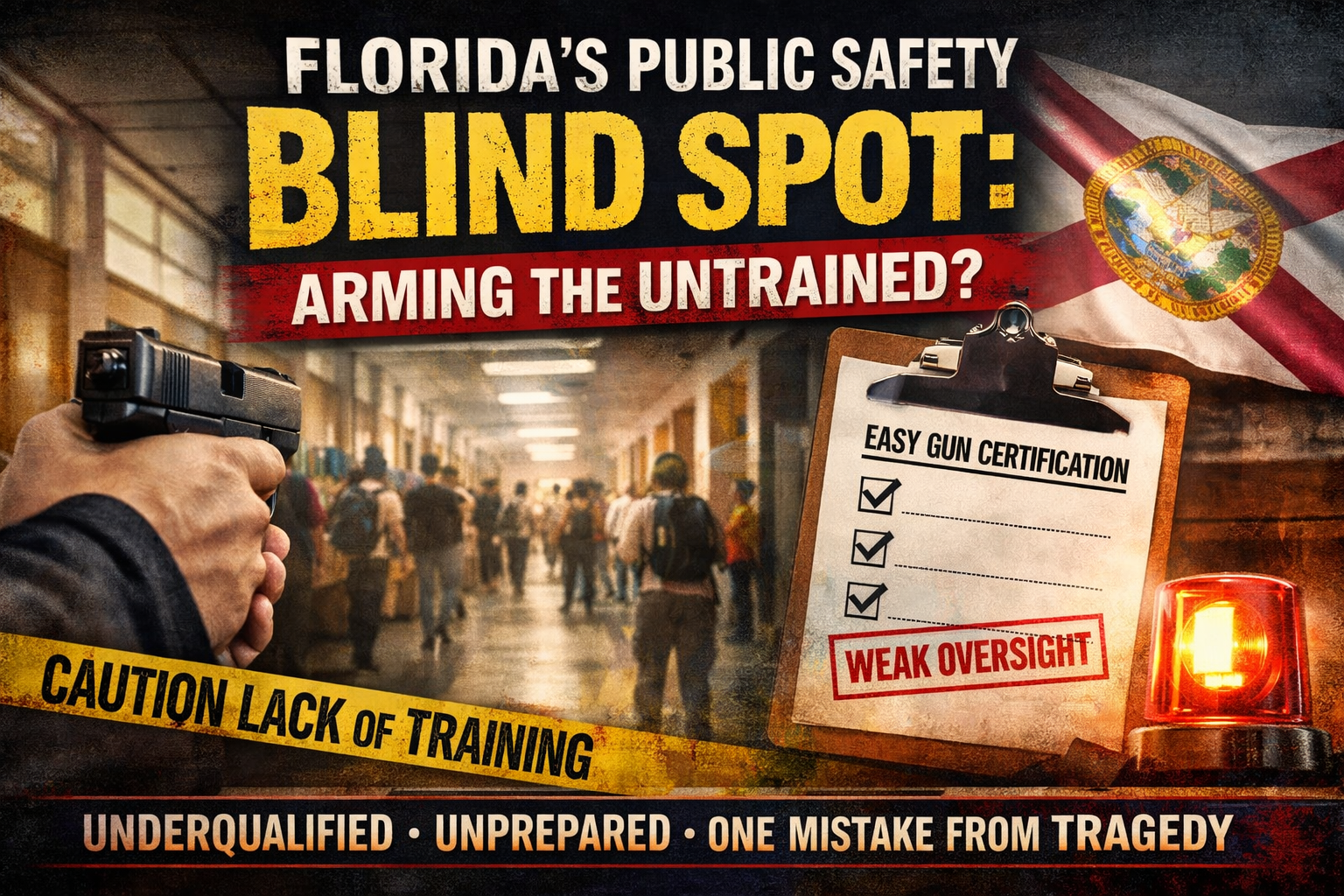
Valortec’s published commentary on America’s firearms training crisis makes a related argument: legal authorization, an introductory certificate, and confidence are distinct from demonstrated readiness. This is an editorial position, not a claim that every civilian shooter needs professional tactical training. Expectations should fit the person’s lawful needs and actual experience.
A professional instructor should be prepared to discuss relevant qualifications, safe-range supervision, course objectives, student prerequisites, and the method used to measure progress. Good instruction should offer more than instructions to imitate. It should explain why a technique or safety practice matters, how students are evaluated, and how errors are addressed without humiliation.
Choose education that encourages honest self-assessment. If a course offers only reassurance and a certificate, it is reasonable to ask how learning and retention were actually evaluated. The quality of the learning environment matters as much as the reputation of the personality delivering it.
The most useful training outcome may be a more realistic understanding of one’s limitations. Owners must also consider secure storage, transportation, maintenance, conflict avoidance, and ongoing legal responsibilities. Laws and licensing requirements vary by jurisdiction and can change; an article or one-day course cannot replace current legal advice.
Tactical Edge believes equipment deserves thoughtful examination, but the human being remains the decisive variable. The strongest mindset is neither fear nor bravado. It is a commitment to improving safely, knowing when not to act, and taking accountability seriously.
The edge is not something a person buys. It is a responsibility developed through disciplined education, sound judgment, and the willingness to remain a student.
Explore more Tactical Edge cover stories · Return to the magazine