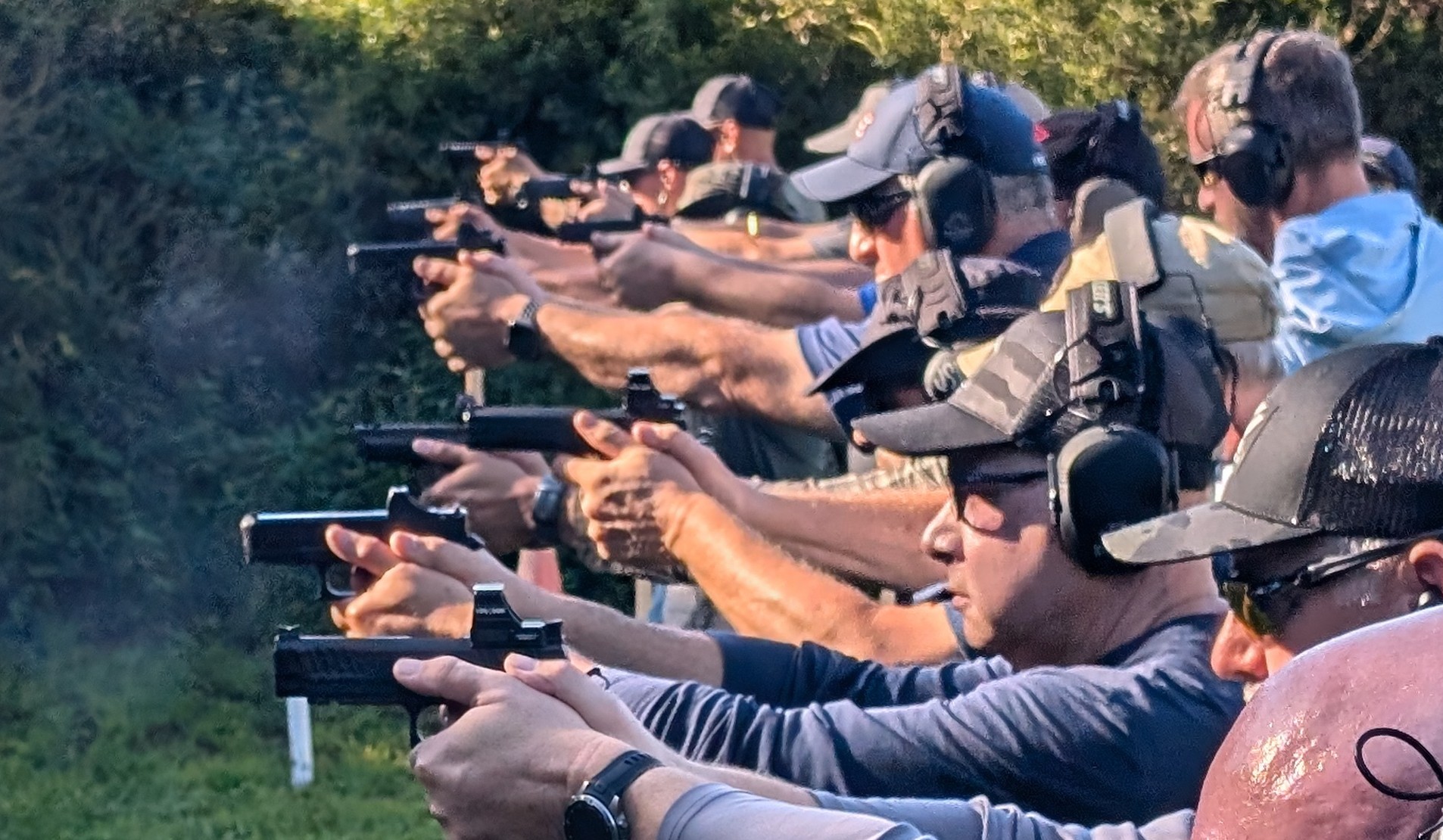
Florida’s Public Safety Blind Spot: We’re Arming People We Haven’t Truly Trained
If the State won’t fix the standards, the State will live with the consequences—because “qualified” is not the same as “ready.”
If Florida Won’t Fix the Standards, Florida Will Live With the Consequences
Florida keeps talking about “safety.” We buy cameras. We harden doors. We fund programs. We issue licenses.
But we keep ignoring the most dangerous variable in any armed environment:
a gun in the hands of someone who was never trained to a real standard—only “qualified.”
This is not an abstract debate. It’s not politics. It’s math:
- Unverified competency + real-world stress + crowded environments = preventable tragedy.
- The next headline won’t care whether the person meant well.
The Silent Threat in Schools Isn’t Always a Shooter
Florida has poured resources into school safety. Yet one point remains largely untreated:
armed personnel who are undertrained, underqualified, and under-tested.
When training devolves into a checkbox, the system creates a false sense of security:
- Minimal repetition
- No stress inoculation
- No movement
- No judgment work
- No force-on-force
- No real accountability
A firearm is not a safety plan. It’s a high-liability tool that demands a performance standard.
Florida Regulates Some Armed Work—But the Oversight Gap Remains
Florida’s Class “G” armed security license requires training and recurring requalification requirements.
But the public safety concern raised in the referenced articles is bigger:
outside defined licensing lanes, civilian firearms instruction can be inconsistent, loosely monitored, and easy to market—regardless of competency.
People can get “training” that looks professional online—and still be unprepared for pressure, liability, and decision-making.
The Reform Proposal Wasn’t Radical—It Was the Bare Minimum
Valortec’s public proposal and related materials point to measurable fixes that don’t require reinvention—just leadership:
- Modernize and tighten proficiency standards (including higher scores and realistic evaluation)
(Source) - Standardize key elements like target spacing to evaluate multi-threat handling
(Source) - Raise instructor qualification expectations for serious defensive training
(Source) - Fix communication risk by requiring clear standardized instruction language for licensing contexts
(Source) - Keep the Firearms Training Manual current through structured oversight and updates
(Source)
This is what real prevention looks like: before the incident, not after.
Government Silence Is Not Neutral—It’s a Decision
Valortec states it submitted a formal reform proposal to Florida officials and had not received an official response at the time of publication.
(Source)
When officials don’t answer, the system doesn’t pause. Licenses still get processed. “Instructors” still market.
Schools and organizations still contract. People still carry.
Silence doesn’t reduce risk. It preserves it.
What “Viral” Looks Like in the Real World: The Moment Everything Breaks
Here’s the scenario nobody wants—but everyone needs to visualize:
- A crowded hallway.
- A scream.
- An armed “good guy” trained to pass, not trained to perform.
- A rushed draw.
- A miss.
- A bystander hit.
And then the predictable aftermath: lawsuits, careers destroyed, public trust shattered—and grief over a death that training could have prevented.
The Florida Fix: Three Demands the Public Should Make Today
If you’re in Orlando, Tampa, Daytona Beach, Volusia County—or anywhere in Florida—this is not someone else’s problem. It’s yours.
- Demand measurable standards, not “hours.”
Time in a classroom is not competence. Scores, evaluations, and recurring performance are.
(Source) - Demand oversight that matches the liability.
Firearms training is a high-consequence activity. Oversight should reflect that reality.
(Source) - Demand school safety programs prove readiness, not intentions.
Ask who trained them, how often, under what conditions, and to what standard.
(Source)
Final Word: Florida Doesn’t Need More “Armed.” Florida Needs More “Ready.”
If Florida is serious about public safety, it must stop treating firearms competency like a paperwork milestone.
The state’s minimums should not be the ceiling.
And when credible reforms are presented, agencies should respond—publicly, on the record, with accountability.
(Source)