Conditions change. Responsible preparedness means adaptability, careful planning, and knowing when the safer decision is to stop or reschedule training.
Tactical Edge / Feature Story

Tactical Edge / Feature Story
Conditions change. Responsible preparedness means adaptability, careful planning, and knowing when the safer decision is to stop or reschedule training.
Perfect weather, predictable lighting, dry ground, and a comfortable schedule make almost any outdoor activity easier. They also create a narrow picture of preparedness. Readiness is not about proving toughness in miserable conditions. It is about recognizing how changing conditions affect people—and knowing when the right decision is to adapt or stop.
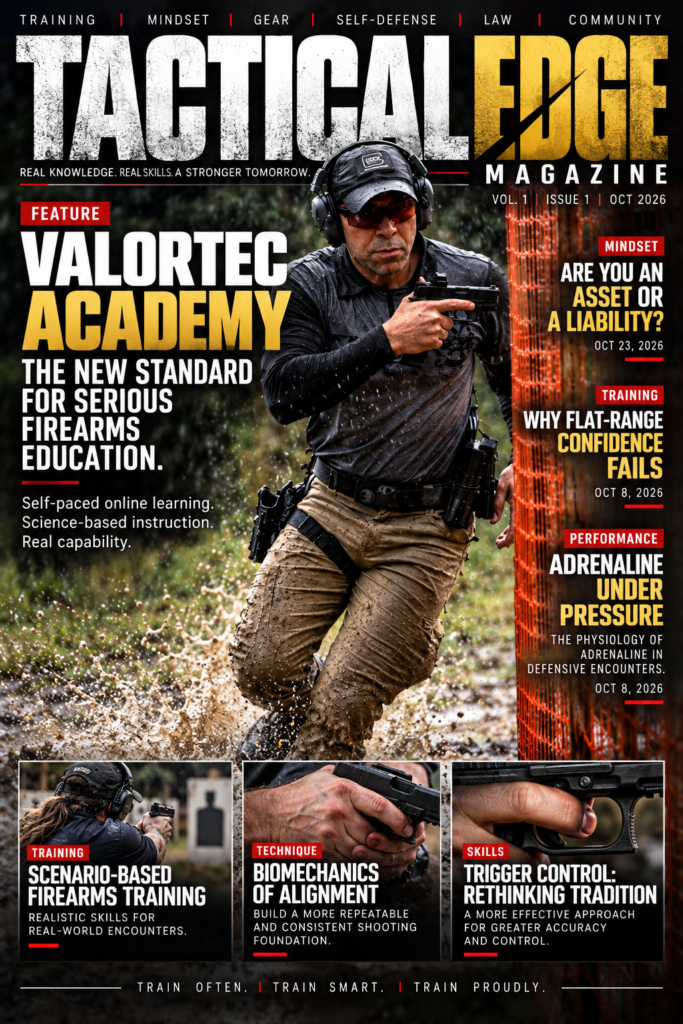
Rain changes visibility and footing. Heat and cold can affect concentration, comfort, and physical endurance. Wind may disrupt communication. Mud creates slipping hazards and makes the handling of equipment more complicated. These are not reasons to glamorize unnecessary risk; they are reasons to plan training with a more complete understanding of safety.
For outdoor firearms instruction, the range operator’s rules, qualified supervision, safe footing, clearly defined firing areas, and weather decisions must come first. Thunderstorms, lightning, poor visibility, unsafe ground, or inadequate control of the shooting environment can make postponement the only responsible option.
The word resilience is often used as though it means tolerating anything. Real resilience also includes flexibility, fatigue management, communication, and honest recognition of limits. An instructor who ignores environmental hazards to maintain an impressive image is not demonstrating professional excellence.
A student who has learned to reassess an exercise, communicate a concern, and suspend participation when conditions are unsafe is demonstrating judgment. That is a meaningful preparedness skill, even though it does not produce the dramatic footage people expect from a tactical training advertisement.
A predictable qualification can establish whether a required threshold was met at a particular moment. It cannot answer every question about skill retention, decision-making, or performance when circumstances change. Valortec’s writing on military marksmanship makes this distinction clearly: qualification and broader proficiency are related, but not interchangeable.
The civilian lesson is not to copy military training or to chase extreme conditions. It is to avoid mistaking one successful event for permanent competence. Training objectives should progress appropriately, be documented, and always remain within the instructor’s facilities, authority, and safety controls.
In responsible training, courage can look like taking correction, admitting uncertainty, slowing a course for an inexperienced student, or ending an exercise before an avoidable injury occurs. It can also mean returning for another supervised session when progress has been slower than expected.
Protective equipment, hydration, appropriate clothing, weather awareness, and conservative risk decisions are not signs of weakness. They are part of a professional learning environment. The goal is sustainable development—not a photograph of people suffering through conditions that were never necessary for the lesson.
Rain and mud may make a memorable cover. The more important story is the judgment behind the image: preparation, humility, and the discipline to put safety before spectacle.
Explore more Tactical Edge cover stories · Return to the magazine